August 1, 2026
The professional grounds management sector is undergoing an extraordinary period of modernization, driven predominantly by rapid breakthroughs in digital and mechanical innovation. Corporate campuses, municipal parks, retail centers, and residential complexes increasingly demand outdoor spaces that are not only visually immaculate but also environmentally responsible and cost-effective to maintain. In response, forward-thinking providers of commercial landscape services are rethinking traditional workflows. By replacing manual labor with automated machinery, smart sensors, and advanced analytical software, property managers and grounds crews are establishing unprecedented levels of operational efficiency across expansive outdoor environments.
This systemic evolution extends far beyond the simple introduction of basic power tools or automated sprinklers. Today, complex software architectures integrate with remote hardware devices to continuously monitor soil health, predict localized weather shifts, and deploy targeted treatments precisely where needed. Modern commercial landscape services now leverage data analytics to refine every aspect of grounds management, from daily route planning to long-term resource allocation. As modern businesses strive to meet strict corporate sustainability metrics while keeping operating budgets balanced, adopting these cutting-edge technological frameworks has transformed from a subtle competitive advantage into an absolute operational necessity.
Deploying Automated Robotics and Autonomous Equipment
Automated equipment is rapidly transforming how property managers maintain vast green spaces without expanding labor overhead. Advanced robotic mowers can work continuously under variable weather conditions, navigating complex terrain while delivering a clean, highly consistent cut across large turf areas. By providing reliable and uniform lawn care services, automated mowers are helping businesses manage larger areas more effectively. According to Statista, 32% of landscaping companies have reported that lawn care maintenance is their fastest growing service, highlighting the need for such technological integrations. Such automation not only streamlines operations but also offers a competitive edge in a rapidly evolving market. Beyond basic mowing, automated chemical sprayers and specialized seeders utilize artificial intelligence to identify specific plant diseases or weed patches, applying treatments only where required.
Simultaneously, autonomous haulers, logistical vehicles, and overhead drone fleets are redefining remote site management. Drones fitted with multi-spectral thermal cameras sweep vast acreages within minutes, gathering high-resolution imagery that pinpoints localized pest outbreaks, irrigation leaks, or nutrient deficiencies long before they become visible to the naked eye. Ground-based autonomous vehicles can transport heavy supplies, soil, and debris across large properties without human operators, reducing physical strain on site personnel and optimizing daily site operations. When these separate machines communicate via centralized management software, maintenance tasks occur seamlessly behind the scenes. This unified robotic ecosystem elevates work safety, reduces human error, and ensures large-scale properties remain consistently pristine throughout every season.
Integrating Internet of Things Sensors for Real-Time Management
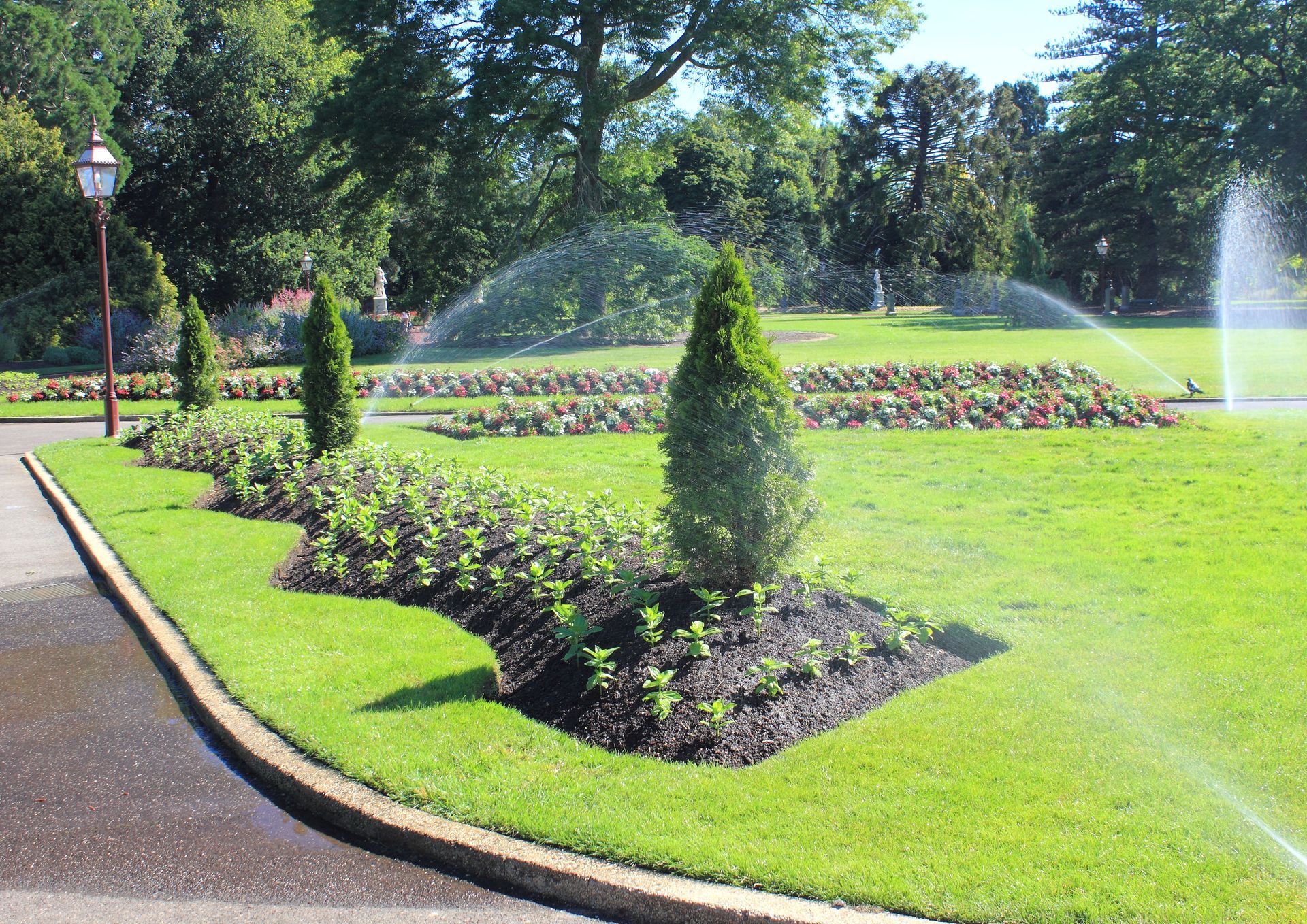
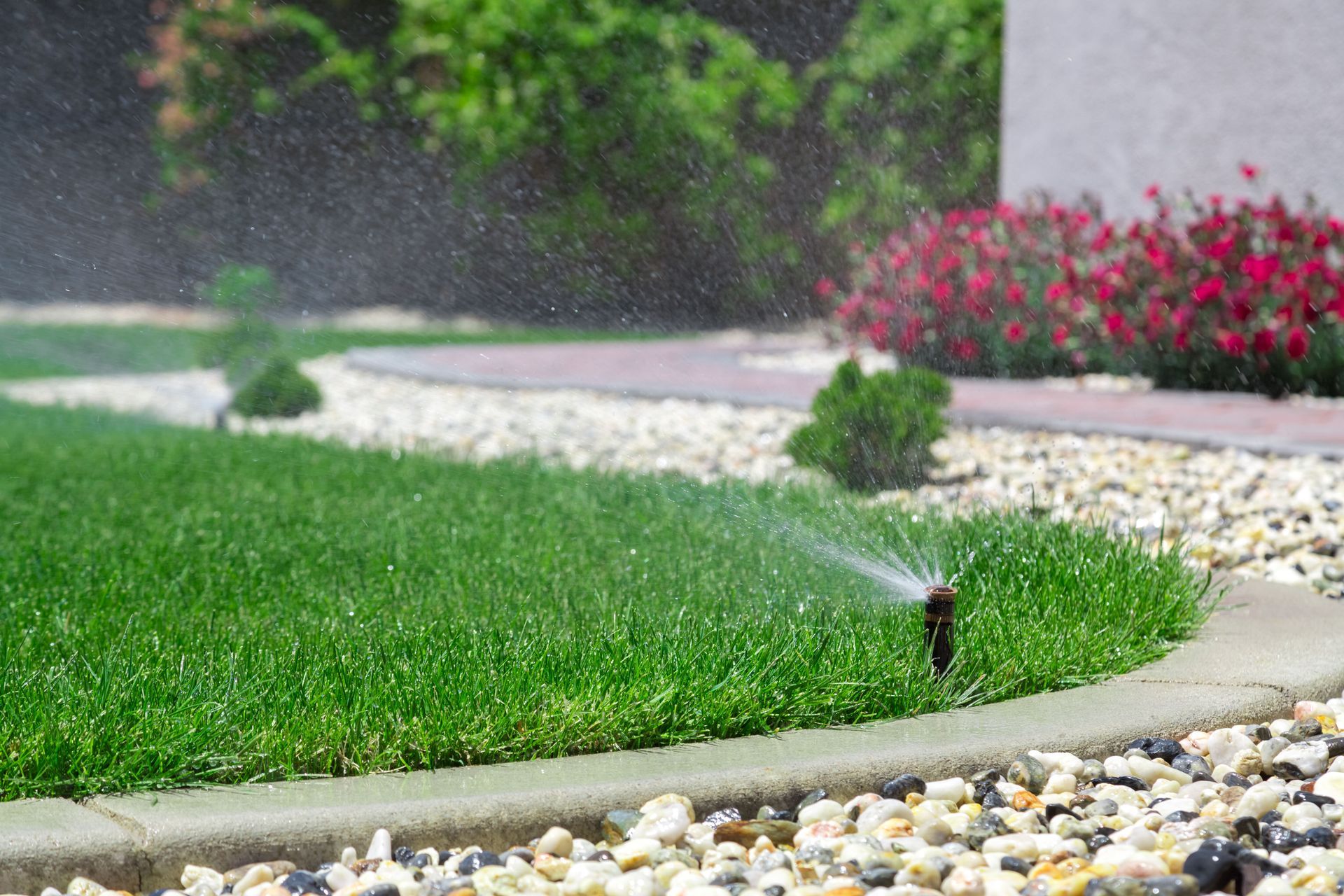
The integration of Internet of Things devices has turned static grounds into highly responsive, dynamic environments. Soil moisture sensors, localized weather stations, and atmospheric monitors work together to provide continuous diagnostic data directly to groundskeepers. Smart irrigation controllers analyze real-time meteorological forecasts alongside local soil conditions, automatically adjusting watering schedules to eliminate waste and prevent overwatering. By using precision water delivery, commercial landscape services lower utility bills and help preserve regional water resources during severe summer droughts. These connected systems remove the guesswork from water management, ensuring trees, shrubs, and turf receive exact hydrological support.
Managing extensive property portfolios requires total visibility over physical assets, tools, and heavy machinery. Connected asset trackers installed on tractors, mowers, and specialized attachments allow managers to monitor equipment locations, engine usage hours, and mechanical performance metrics in real time. Automated maintenance alerts notify technicians when a machine requires servicing, effectively preventing expensive field breakdowns and prolonging the operating life of key equipment. While integrating these disparate digital devices across vast spaces presents initial network connectivity and data security challenges, the long-term benefits are substantial. Establishing a centralized digital framework enables management teams to organize maintenance operations efficiently and maintain absolute accountability across all properties.
Harnessing Data Analytics for Strategic Decision-Making
Data analytics has become a foundational pillar for modern outdoor site management, shifting daily operations from reactive maintenance to proactive care strategies. Predictive analytics software evaluates historic climate records, current soil data, and machine operational logs to forecast potential equipment failures or biological threats. By addressing mechanical wear or plant diseases before severe issues manifest, property administrators prevent expensive landscape restoration projects and avoid operational downtime. This data-driven approach establishes precise performance metrics, allowing management teams to optimize labor allocation, trim unnecessary fuel expenses, and refine seasonal service schedules across diverse commercial portfolios.
Data analytics also enables customized service offerings tailored to unique client preferences and specific environmental requirements. Design software uses historical environmental data and spatial visualization tools to model how various plant species will grow, absorb water, and react to shade over several decades. This ensures that new property designs balance visual appeal with long-term ecological resilience. Furthermore, comprehensive reporting dashboards transform complex technical data into clear visual graphs. Property managers can easily review water savings, chemical reduction percentages, and carbon footprint improvements, ensuring that every operational decision aligns perfectly with broader corporate goals.
Adopting Sustainable and Eco-Friendly Landscaping Technologies
Environmental stewardship is a primary objective for modern grounds management, inspiring the widespread adoption of eco-friendly practices and machinery.
Commercial landscape services increasingly rely on battery-powered mowers, handheld trimmers, and blowers that reduce noise pollution and eliminate direct exhaust emissions on site. These electric tools allow crews to work early near office buildings, healthcare facilities, and residential areas without disturbing occupants. Additionally, adopting biodegradable mulches, organic fertilizers, and sustainable soil conditioners helps build robust soil biology without introducing toxic synthetic compounds into surrounding waterways and urban drainage systems.
Effective waste management practices further enhance the sustainability of modern property maintenance operations. Advanced composting machinery and organic recycling protocols transform lawn clippings, pruned branches, and fallen leaves into nutrient-rich compost that can be reapplied directly to property beds. Advanced rainwater harvesting systems and greywater recycling networks capture stormwater runoff, filtering and storing it for later use in irrigation systems. By adhering to rigorous national environmental standards and earning industry green certifications, commercial providers demonstrate a clear dedication to ecological sustainability while delivering beautiful, healthy outdoor environments for corporate clients.
Leveraging Virtual and Augmented Reality Tools
Virtual and augmented reality technologies are altering how landscape concepts are designed, presented, and maintained across the industry. Virtual reality headsets allow property owners and corporate planners to walk through proposed site designs in fully immersive three-dimensional environments before construction begins. Clients can observe how mature trees will shade buildings, review hardscape materials under various lighting conditions, and assess plant density long before crews begin physical site work.
Augmented reality applications provide significant practical advantages for ongoing site operations, ground maintenance, and staff education. Field technicians equipped with smart glasses or mobile tablets can view digital overlays of underground utility lines, buried irrigation piping, and soil sensor placement directly on top of their real-world view. This real-world visualization prevents accidental damage to critical underground infrastructure during excavation or heavy planting work. Furthermore, interactive augmented reality training tools allow junior workers to practice equipment operation and master delicate pruning techniques within safe virtual environments, greatly improving worker safety, technical competency, and operational quality across the entire workforce.
Modern technology has fundamentally elevated how large corporate campuses, retail developments, and public facilities are designed, maintained, and enjoyed. From autonomous machinery and real-time soil sensors to predictive data analytics and immersive visualization software, continuous technological breakthroughs enable property managers to achieve exceptional visual quality with greater operational efficiency. Embracing these advanced digital tools guarantees that commercial spaces remain vibrant, functional, and eco-friendly far into the future. Contact Alliance Landscaping today to discover how our tailored, tech-driven property solutions can optimize your outdoor spaces, reduce environmental impact, and enhance your corporate setting.